
The ‘You Should Have Left’ movie is a 2020 American psychological horror film starring Kevin Bacon and Amanda Seyfried. Directed by David Koepp and based on the 2017 book of the same name, the story follows a family whose vacation in a remote Welsh house turns into a nightmare as they confront a sinister force that knows their darkest secrets.
Have you ever watched a horror film where the house itself feels like the main antagonist, twisting reality around its inhabitants? If so, You Should Have Left probably hits a few familiar, yet deeply unsettling, notes. Starring Kevin Bacon and Amanda Seyfried, this psychological horror gem isn’t your typical jump-scare fest. It instead burrows under your skin with an insidious sense of dread, driven by a house that truly seems to have a mind of its own. Based on the novel by Daniel Kehlmann, this film masterfully blurs the lines between reality and nightmare, leaving audiences with a lingering sense of unease long after the credits roll.
Here on IWatchMovies Blog, we’re diving deep into the You Should Have Left movie to unravel its cryptic plot, profound meaning, and truly mind-bending ending. Are you scratching your head over the film’s implications after watching? Or are you just curious where to find the you should have left full movie to experience its terrors for the first time? You’ve come to the right place. We’ll explore the talented cast, delve into the symbolism that makes the movie You Should Have Left so captivating, and guide you on where to stream it now. Prepare to step inside a house where escape isn’t an option and the past is always watching.
What is the ‘You Should Have Left’ Movie About?
A Quick Synopsis
You Should Have Left is a chilling psychological horror film that explores one man’s troubled past. Released in 2020, the intense movie stars Kevin Bacon and Amanda Seyfried.
The story centers on Theo Conroy, a wealthy, middle-aged man with a dark secret. He takes his much younger wife, Susanna, and their young daughter, Ella, on a holiday. They rent a stunning, modern house in the remote Welsh countryside. Initially, it seems like a perfect getaway.
However, the idyllic setting soon turns sinister as strange events begin to plague the family. Time becomes distorted, the house itself appears to shift and change, and Theo realizes a malevolent presence is at work. This force seems determined to bring his deepest fears and guilt to the surface.
Caught in this nightmare, Theo struggles to distinguish reality from illusion. He must confront his past demons, especially the suspicious death of his first wife. The film skillfully blurs the lines between supernatural horror and psychological torment, asking whether the house is haunted or if Theo’s mind is unraveling. The movie delivers a creeping sense of dread that lingers long after watching.
Key Production Details & Trailer
The film is an adaptation of the 2017 novella of the same name by German author Daniel Kehlmann. It was written and directed by David Koepp, a seasoned filmmaker known for thrillers like Secret Window and screenplays for blockbusters such as Jurassic Park and Mission: Impossible.
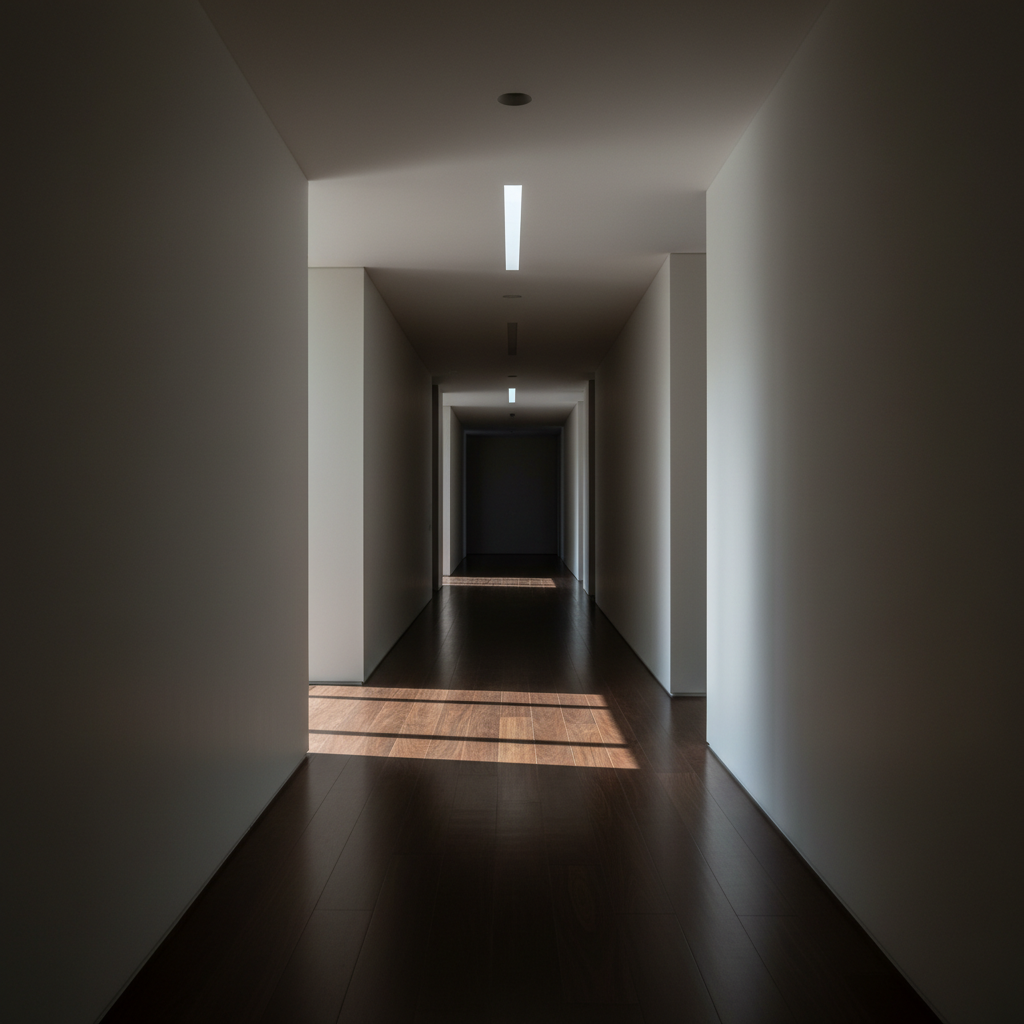
Released in the United States on June 18, 2020, through Premium Video On Demand (PVOD), this psychological horror-thriller uses its setting to maximum effect. The confined, minimalist house becomes a character in itself, playing a crucial role in building tension and claustrophobia.
Key cast members deliver impactful performances:
- Kevin Bacon as Theo Conroy
- Amanda Seyfried as Susanna
- Avery Essex as Ella
The official trailer for You Should Have Left effectively captures the film’s unsettling atmosphere. It offers glimpses of the house’s architectural oddities, Theo’s escalating distress, and eerie, unexplained phenomena. By teasing the central mystery without revealing too much, the trailer leaves audiences curious about the house’s true nature and Theo’s fate. It expertly sets the stage for a mind-bending horror experience that highlights themes of isolation and dread.
You Should Have Left Movie Cast
Kevin Bacon as Theo Conroy
The legendary Kevin Bacon steps into the shoes of Theo Conroy in You Should Have Left, playing a wealthy, middle-aged man with a shadowy past.
Theo is a complex character—a retired banker haunted by accusations surrounding his first wife’s death. This backstory establishes intense, underlying tension from the film’s beginning.
Bacon delivers a gripping performance, skillfully portraying Theo’s mounting paranoia and deep-seated guilt. His portrayal makes the character’s descent into psychological horror feel genuinely believable for viewers of the movie You Should Have Left.
This portrayal anchors the film, as Bacon’s nuanced acting is crucial to its unsettling atmosphere. He masterfully depicts a man fighting both external and internal demons.
Amanda Seyfried as Susanna
Amanda Seyfried takes on the role of Susanna, Theo’s much younger wife, who is a successful actress in You Should Have Left.
The couple’s dynamic is often strained, adding another layer of tension to the story. This friction stems from Theo’s jealousy, their age gap, and the fact that Susanna’s career frequently takes her away from home.
Seyfried brings a delicate balance to the role, conveying a mix of affection for Theo and subtle frustration with his possessive nature. She also expertly navigates Susanna’s own secrets and vulnerabilities.
Her compelling on-screen presence heightens the family’s unease, particularly as the house itself begins to turn against them.
Avery Essex as Ella
The young and talented Avery Essex shines as Ella, Theo and Susanna’s daughter, who serves as the heart of the family in You Should Have Left.
As an observant and intelligent child, Ella quickly senses the strange occurrences within their isolated holiday home. Her innocence provides a sharp contrast to the film’s growing dread.
Essex delivers a remarkable performance for her age, portraying Ella with both sweetness and a surprising resilience. Her character’s reactions often reflect the audience’s own fears.
Ella becomes a pivotal figure as she directly experiences the house’s sinister influence, which drives the film’s chilling narrative. Her bond with Theo also provides a key emotional anchor amid the chaos.
You Should Have Left Movie Meaning Explained
Full Plot Breakdown (Spoilers Ahead)
Alright, cinephiles! If you haven’t seen the You Should Have Left movie yet, turn back now. We’re about to dive deep into the spooky details, and you don’t want these chills spoiled. This psychological horror flick, starring Kevin Bacon as Theo Conroy, is a true mind-bender.
The story kicks off with Theo, his wife Susanna (played by Amanda Seyfried), and their young daughter Ella (Avery Essex) seeking a quiet getaway. They rent a stunning, minimalist house in a remote part of Wales. Theo, a wealthy banker, carries a dark secret: he was acquitted of murdering his first wife, but public opinion still holds him responsible. This unresolved past is a crucial piece of the puzzle.
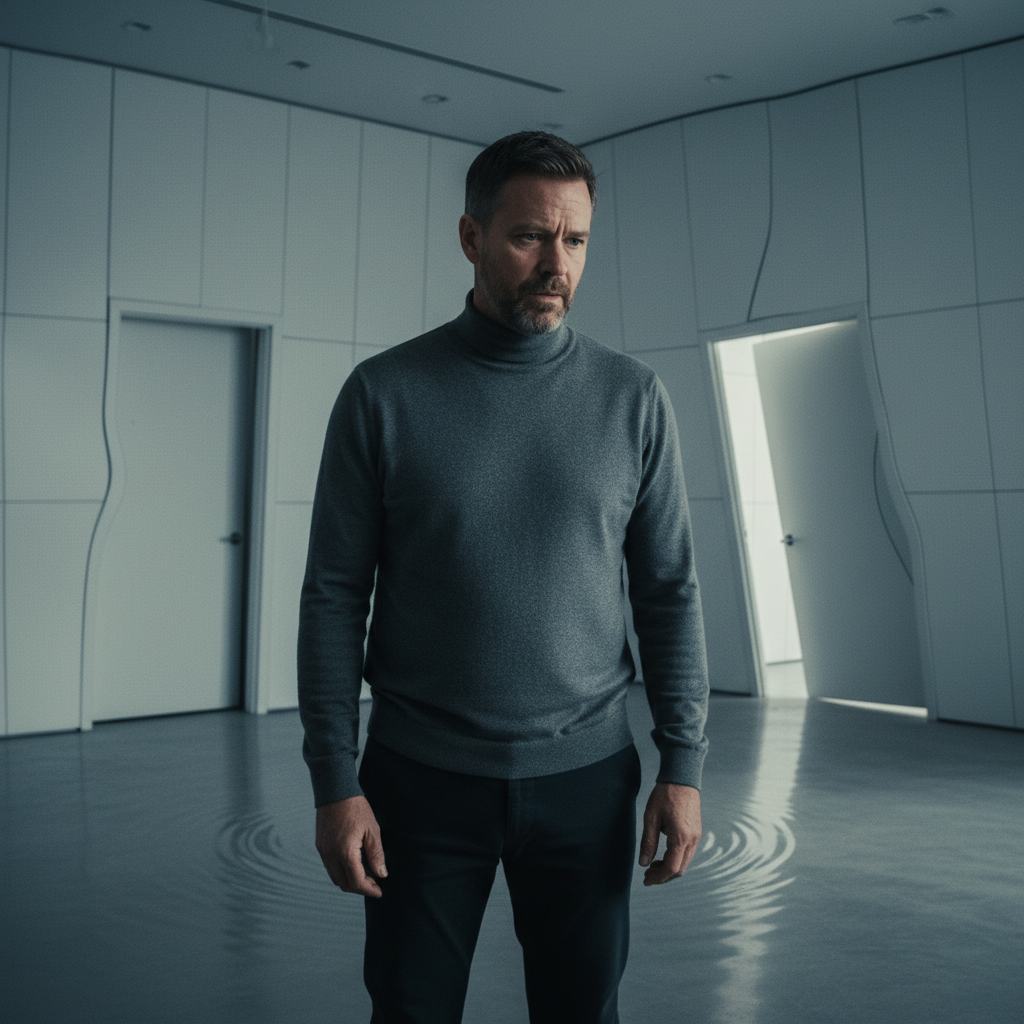
Almost immediately, strange things begin to happen. The house feels… off. Dimensions seem to shift, and shadows move on their own. Theo experiences bizarre dreams, sees unsettling reflections, and finds strange notes. The house even appears to be bigger on the inside than it is on the outside. This growing disorientation is a key element of the movie You Should Have Left.
As Theo’s sanity starts to fray, his relationship with Susanna also comes under strain. Their marriage is already fragile, weighed down by Theo’s past and Susanna’s acting career, which requires her to be away often. Meanwhile, their daughter Ella seems aware of the house’s malevolent presence—perhaps more so than her parents.
Theo’s suspicion deepens when he finds a mysterious ledger in the house containing a list of names. Next to each name, the words “should have left” are scrawled. He soon makes a chilling discovery: his own name, Theo Conroy, is also in the ledger. The house, it seems, is a purgatorial trap for those consumed by guilt.
The Twisting Ending Explained
The climax of You Should Have Left delivers a truly unsettling twist as Theo’s grasp on reality completely shatters. He realizes the house is not just a rental property; it’s a sentient entity that preys on guilt. It is a place where time and space are fluid, trapping its inhabitants in an endless loop of their own making.
Here’s how the ending unfolds:
- The Revelation: Theo discovers that he didn’t just ‘fall asleep’ when his first wife drowned in the bathtub—he actively held her head underwater. The house forces him to confront this horrific, suppressed truth: he is guilty.
- The Old Man: Theo encounters an old man, implied to be the house’s keeper or a previous victim who is now permanently trapped within its walls. This figure tells Theo he must take his place, revealing a cyclical process of punishment.
- Ella’s Escape: To save Ella from the house’s influence, Theo makes a heartbreaking sacrifice. He tells her to leave with Susanna and never return, understanding that the house demands a resident—a prisoner.
- Theo’s Fate: Theo adds his own name to the house’s ledger, sealing his fate. He becomes the new “owner” or, more accurately, the new prisoner. He is now the old man he saw earlier, forever trapped in the shifting confines of the house and forced to perpetually relive his guilt.
The ending strongly implies that Susanna and Ella escape, free from the house’s grasp, only because Theo has finally accepted his guilt and taken his deserved place. It’s a chilling, self-imposed damnation that makes the you should have left full movie a deeply unsettling experience.
Symbolism and Key Themes
The You Should Have Left movie is rich with symbolism and explores several profound themes. More than just a jump-scare horror flick, it delves into the dark corners of the human psyche.
Let’s unpack some of the most significant elements:
- Guilt and Punishment: This is the film’s core theme. The house itself is a purgatorial space designed to force individuals to confront their deepest guilts. Theo’s past crime is the very fuel that powers the house’s torment, creating a place where denial cannot exist.
- The House as a Metaphor: The physical house is a powerful metaphor for Theo’s conscience. Its shifting dimensions and disorienting hallways mirror the inescapable nature of his trauma and guilt. In essence, he is trapped within his own mind.
- Isolation and Vulnerability: The remote Welsh setting amplifies the characters’ isolation. Once inside, they are entirely cut off from the outside world, highlighting their vulnerability to the supernatural forces at play.
- Self-Perception vs. Reality: For much of the film, Theo is convinced of his innocence, or at least believes he has paid for his past. The house systematically dismantles this self-deception, forcing him to face the horrific reality of his actions.
- The Ledger: This mysterious book symbolizes a contract or a roster of the damned. Each name represents a soul who tried to escape their guilt but ultimately succumbed to the house’s judgment, serving as a physical record of an inescapable fate.
- Time Distortion: The house plays with time, making hours feel like minutes or days. This form of psychological torment mirrors how guilt can warp one’s perception and trap them in a perpetual state of remorse.
- The “Old Man”: This figure represents Theo’s ultimate fate and the cyclical nature of the house’s punishment. He is the previous tenant, now a permanent fixture, awaiting his successor.
Ultimately, You Should Have Left uses classic horror tropes to tell a deeply psychological story about the crushing weight of unacknowledged guilt. It suggests that some transgressions demand a reckoning that no legal system can provide—only a true confrontation with oneself.
You Should Have Left Movie Where to Watch?
Is ‘You Should Have Left’ on Netflix?
Although many horror fans turn to Netflix for their next scare, the You Should Have Left movie is not currently available on the platform. While streaming libraries are always changing, the film has not yet been added to its lineup.
This is because the psychological thriller, starring Kevin Bacon and Amanda Seyfried, had a unique release. It skipped a traditional theatrical run and instead premiered as a premium video-on-demand (PVOD) title in June 2020 from Universal Pictures [source: The Hollywood Reporter]. As a result, it wasn’t initially included with any subscription service.
Fortunately, even though it’s not on Netflix, there are still plenty of ways to experience this unsettling film.
Current Streaming & Rental Platforms
Don’t fret, horror hounds! While the movie isn’t part of a major subscription library, you can easily find the You Should Have Left full movie online. It’s widely available to rent or purchase on most major digital platforms.
Here’s where you can typically stream the movie You Should Have Left at your convenience:
- Amazon Prime Video: Rent or buy the movie directly through Amazon’s digital storefront.
- Apple TV (iTunes): Access the film for rental or purchase in your Apple digital library.
- Google Play: Rent or purchase the movie through Google’s digital ecosystem.
- YouTube Movies: You can rent or buy the film directly on YouTube.
- Vudu: This popular platform offers the film for rental or purchase.
- Microsoft Store: Find the movie for rent or purchase here, ideal for Xbox and Windows users.
Availability can vary by region, but these platforms are your most reliable options for renting or buying the You Should Have Left movie. Simply choose your preferred service, complete the payment, and prepare for a chilling experience!
Is You Should Have Left Scary?
Analyzing the Horror Elements
Whether You Should Have Left is truly scary depends on your definition of the word. The film leans heavily into psychological horror, aiming to unsettle your mind rather than simply make you jump.
The scares are primarily atmospheric. Director David Koepp, also known for his screenwriting work on films like Jurassic Park [source: https://www.imdb.com/name/nm0462719/], crafts a pervasive sense of dread by making the isolated house a living entity that warps reality around its inhabitants.
Instead of traditional jump scares, the film’s horror emerges from disorientation. The protagonist, Theo, finds his perception of his surroundings constantly shifting as hallways lengthen, rooms change, and unsettling shadows play tricks on the eye.
Furthermore, the film delves into themes of guilt and a troubled past, with Theo’s personal demons acting as the catalyst for the terror. The house seems to feed on these negative emotions, visualizing his inner turmoil in terrifying ways.
In essence, this is a slow-burn experience. The tension builds steadily, creating a creepy, inescapable feeling that keeps viewers on edge without relying on cheap thrills.
Key horror elements in You Should Have Left include:
- Psychological Manipulation: The house actively plays mind games with the protagonist.
- Atmospheric Dread: A constant, heavy sense of unease pervades every scene.
- Distorted Reality: The environment itself twists and changes, challenging what’s real.
- Guilt as a Catalyst: Personal secrets and past actions fuel the supernatural events.
- Minimal Jump Scares: The focus is on suspense and unsettling visuals, not sudden shocks.
Who is This Movie For?
You Should Have Left is ideal for viewers who enjoy deliberate, thought-provoking thrillers. It primarily appeals to fans of cerebral horror—those who appreciate a film that messes with their head will likely find it engaging.
If you value psychological tension over gore and prefer unsettling atmospheres to explicit violence, then give You Should Have Left a watch. It’s a great choice for audiences who enjoy analyzing what they’re seeing on screen.
However, it’s important to set the right expectations. This is not the kind of horror experience for those seeking constant action or adrenaline-fueled thrills. The film requires patience, inviting viewers to sink into its unsettling world.
Fans of traditional jump scares or fast-paced creature features might find it too slow, as it prioritizes mood and character psychology to create a different breed of fear.
Here’s who will likely enjoy You Should Have Left:
- Viewers who love psychological thrillers and mind-bending narratives.
- Those who appreciate atmospheric horror that builds slowly.
- Fans of movies exploring themes of guilt, paranoia, and isolation.
- Audiences looking for a unique, unsettling, and thought-provoking experience.
Conversely, you may want to choose a different film if you are:
- Expecting frequent jump scares or slasher elements.
- Looking for fast-paced, action-heavy horror.
- Someone who dislikes slow-burn narratives and prefers immediate gratification.
What Do the ‘You Should Have Left’ Reviews Say?
Critical Reception
You Should Have Left garnered a mixed response from critics. While many acknowledged its atmospheric tension and praised Kevin Bacon’s committed performance as Theo Conroy, the film also faced common criticisms. Some reviewers found its pacing overly slow and noted a lack of fresh ideas, concluding that its psychological elements did not always land effectively.
Here’s a quick look at the critical consensus:
- Strengths:
- Strong lead performance from Kevin Bacon.
- Creepy and unsettling atmosphere.
- Effective use of the isolated house setting.
- Exploration of guilt and trauma.
- Weaknesses:
- Slow pacing, particularly in the first half.
- Story felt derivative to some critics.
- Lack of truly impactful scares.
- Ambiguous ending left some viewers unsatisfied.
Major aggregators reflect this division. On Rotten Tomatoes, the film holds a 41% approval rating based on 144 critic reviews [1]. Meanwhile, Metacritic assigned it a weighted average score of 46 out of 100, indicating “mixed or average reviews” [2]. Ultimately, while critics often agreed on the strength of the acting, they were divided on the execution of the horror elements.
Audience Scores & Reddit Discussions
Interestingly, You Should Have Left received a slightly warmer reception from general audiences, who seemed more forgiving of its deliberate pace and appreciative of its psychological depth. On Rotten Tomatoes, the audience score stands at 58% based on over 5,000 ratings [1]. Similarly, IMDb users gave the film a score of 5.8 out of 10 [3], suggesting a modest but notable difference from critical opinion.
Online discussions, particularly on platforms like Reddit, provide further insight. Fans of the movie You Should Have Left often engaged in deep dives, debating the meaning of the house and the details of Theo’s past. Many enjoyed the slow-burn horror approach, finding the psychological aspects compelling. These discussions frequently centered on:
- The Nature of the House: Is it a literal evil entity? Or a manifestation of Theo’s guilt?
- Symbolism: What do the changing dimensions and shifting realities represent?
- Scare Factor: Was it truly scary? Or more unsettling and thought-provoking?
- Plot Theories: Users shared various interpretations of the ending and explored different possibilities for Theo’s fate.
However, some audience members echoed critical complaints, wishing for more overt scares and a clearer narrative resolution. Despite these points, the movie clearly sparked discussion, leaving many viewers to ponder its deeper meaning long after watching.
What Are Some Movies Like ‘You Should Have Left’?
If the chilling psychological grip of You Should Have Left resonated with you, you’re not alone. The film masterfully blends a haunted house narrative with deep psychological torment, exploring themes of guilt, isolation, and unreliable reality. For viewers seeking similar experiences, we’ve curated a list of films that capture the same unsettling vibe. These recommendations delve into their characters’ minds and play with the concept of a sinister, sentient home.
The core appeal of You Should Have Left lies in its unique blend of horror, featuring a suffocating sense of isolation while blurring the lines between a mental breakdown and a supernatural threat. The house itself acts as a character, reflecting the protagonist’s inner turmoil. The movies we’ve highlighted below share these unsettling qualities, offering a potent mix of psychological suspense and existential dread.
| Movie Title | Year | Similar Elements to ‘You Should Have Left’ |
|---|---|---|
| The Shining | 1980 | In this masterclass of psychological dread, a family’s isolation in a remote hotel causes the protagonist’s sanity to unravel. The location itself seems alive, bringing his darkest impulses to the surface. |
| Relic | 2020 | This deeply unsettling and atmospheric film follows three generations of women as they confront a creeping horror originating from their family home, exploring themes of aging, dementia, and generational trauma. |
| His House | 2020 | Offering a fresh, poignant take on the genre, this film follows a refugee couple whose new house in England becomes haunted. The story brilliantly uses supernatural horror as an allegory for their past trauma and profound guilt. |
| The Babadook | 2014 | A powerful exploration of maternal struggles, this psychological horror follows a widowed mother battling grief as a monstrous entity from a children’s book personifies her inner demons and unresolved trauma. |
| The Lodge | 2019 | When two children and their stepmother-to-be are snowed in at a remote lodge, strange events unfold that question their reality and sanity. The film builds relentless psychological tension, with religious trauma playing a key role. |
Each of these films, much like You Should Have Left, invites you into a world where home is anything but safe. By twisting familiar settings into places of terror, they explore the fragile boundaries of the human mind. If you’re looking for another intense watch, these recommendations are the perfect starting point for your next chilling, thought-provoking horror experience.
Frequently Asked Questions
What is the meaning of the movie You Should Have Left?
The core meaning of the You Should Have Left movie centers on guilt and its consequences. The house itself acts as a personal purgatory for the protagonist, Theo Conroy (played by Kevin Bacon).
- It’s a physical manifestation of his tormented conscience.
- The film explores his past, particularly his suspected role in his first wife’s death.
- Its shifting, oppressive architecture mirrors his inescapable guilt.
- Ultimately, the film is a tale about facing one’s sins. The house traps Theo, forcing him to confront his dark past.
- The title phrase, “You should have left,” is more than a warning from the house; it also echoes Theo’s deep regret over his past decisions.
This psychological horror makes you ponder the weight of regret and highlights how the past can truly haunt you.
Is You Should Have Left a scary movie?
Yes, You Should Have Left is a scary movie, but it specializes in psychological horror rather than relying on frequent jump scares.
- The film builds intense dread through its unsettling atmosphere.
- Scares come from disorienting architectural shifts and disturbing revelations.
- It focuses on the unraveling sanity of its protagonist, Theo.
- The horror is rooted in existential terror and inescapable guilt.
- Expect a slow-burn thriller rather than a series of sudden shocks.
The movie is rated R for “violence, some sexual content, and language” [4]. This R rating reflects the film’s mature themes and unsettling content. If you enjoy mind-bending horror, this one will likely get under your skin.
Where can I watch the full movie You Should Have Left?
You can watch the full movie You Should Have Left on most major Video On Demand (VOD) services, where it is available to rent or buy.
Common platforms that offer the film include:
- Amazon Prime Video: Often available for rental or purchase.
- Apple TV (iTunes): You can rent or buy the movie here.
- Google Play Store: Also offers rental and purchase options.
- Vudu: Another popular platform for digital rentals and purchases.
- YouTube Movies & TV: Provides options to rent or buy.
Since streaming availability can change, we recommend checking your preferred platform for the most current information. You can also use a service like Reelgood or JustWatch to confirm where the movie is available in your region.
